When preparing your home for storm season, understanding the different types of hurricane shutters is one of the most important decisions you can make. Not all protection systems are the same, and each option comes with its own advantages, limitations, appearance considerations, and cost factors.
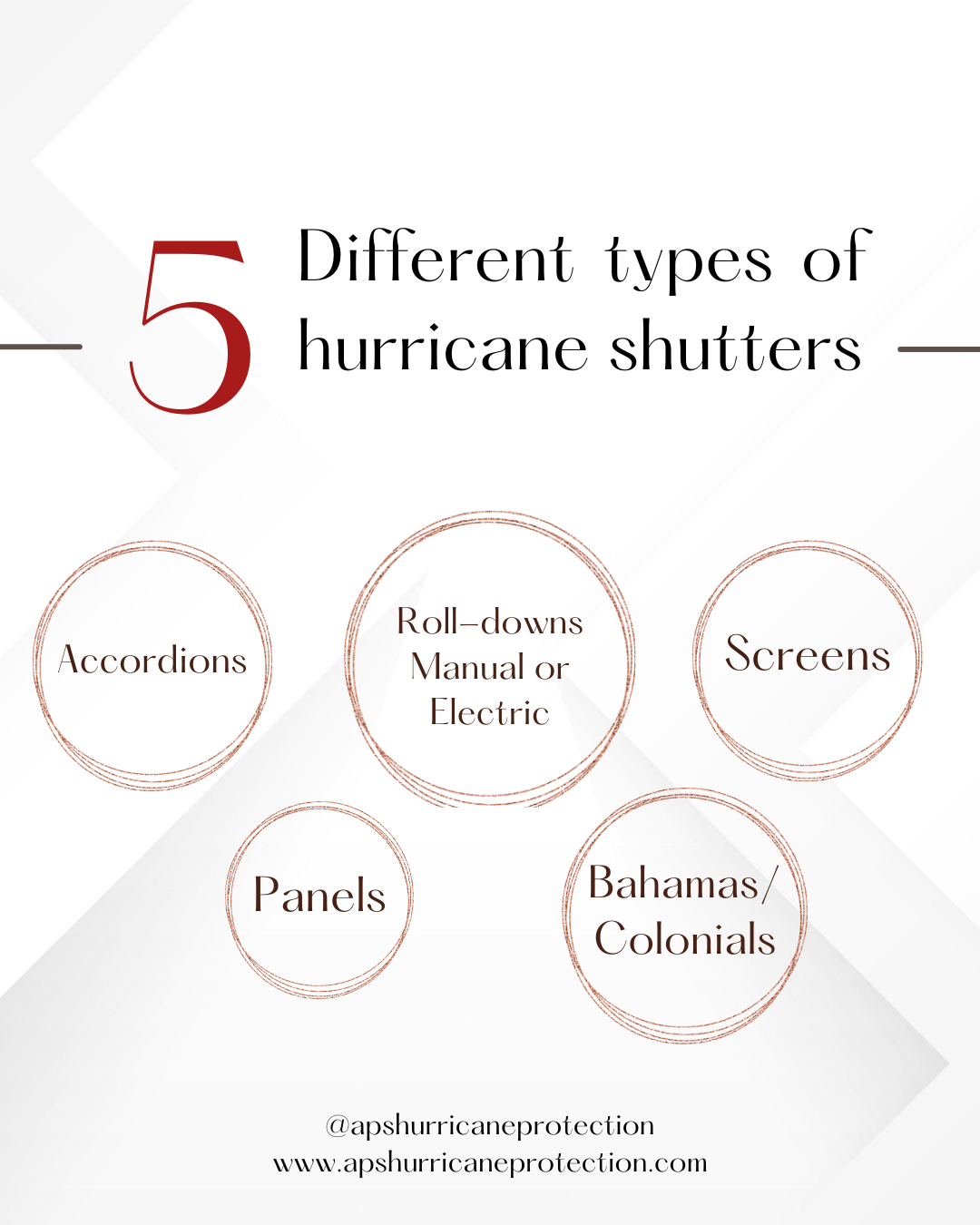
Choosing the right system depends on your home’s layout, your budget, how often you deploy protection, and your long-term goals. Below, we break down the most popular types of hurricane shutters — accordion, panels, roll-down, Bahama, and colonial — along with their pros and cons so you can make a confident decision.
1. Accordion Hurricane Shutters
Accordion systems are one of the most common types of hurricane shutters used in residential homes. They are permanently installed on the sides of windows and doors and unfold horizontally when needed.
Pros:
Permanently attached — no heavy lifting or storage
Quick deployment (usually by one person)
More affordable than roll-down systems
Strong protection against wind and debris
Long-lasting aluminum construction
Cons:
Visible hardware on the sides of openings
Industrial appearance compared to decorative options
Tracks require occasional maintenance
Accordion shutters are ideal for homeowners who want reliable protection without premium pricing. Among the types of hurricane shutters available, this option strikes a strong balance between convenience and cost.
2. Hurricane Panels (Storm Panels)
Hurricane panels are removable panels made of aluminum, steel, or polycarbonate. They are installed over windows before a storm and removed afterward.
These are typically the most budget-friendly of all types of hurricane shutters.
Pros:
Lower upfront cost
Strong impact resistance
No permanent visual impact on the home
Durable materials
Cons:
Must be installed before each storm
Require storage space
Heavier and labor-intensive
Installation can be time-consuming
Panels work well for homeowners who want protection but don’t mind manual setup. However, if storms approach quickly, deployment can become stressful.
3. Roll-Down Hurricane Shutters
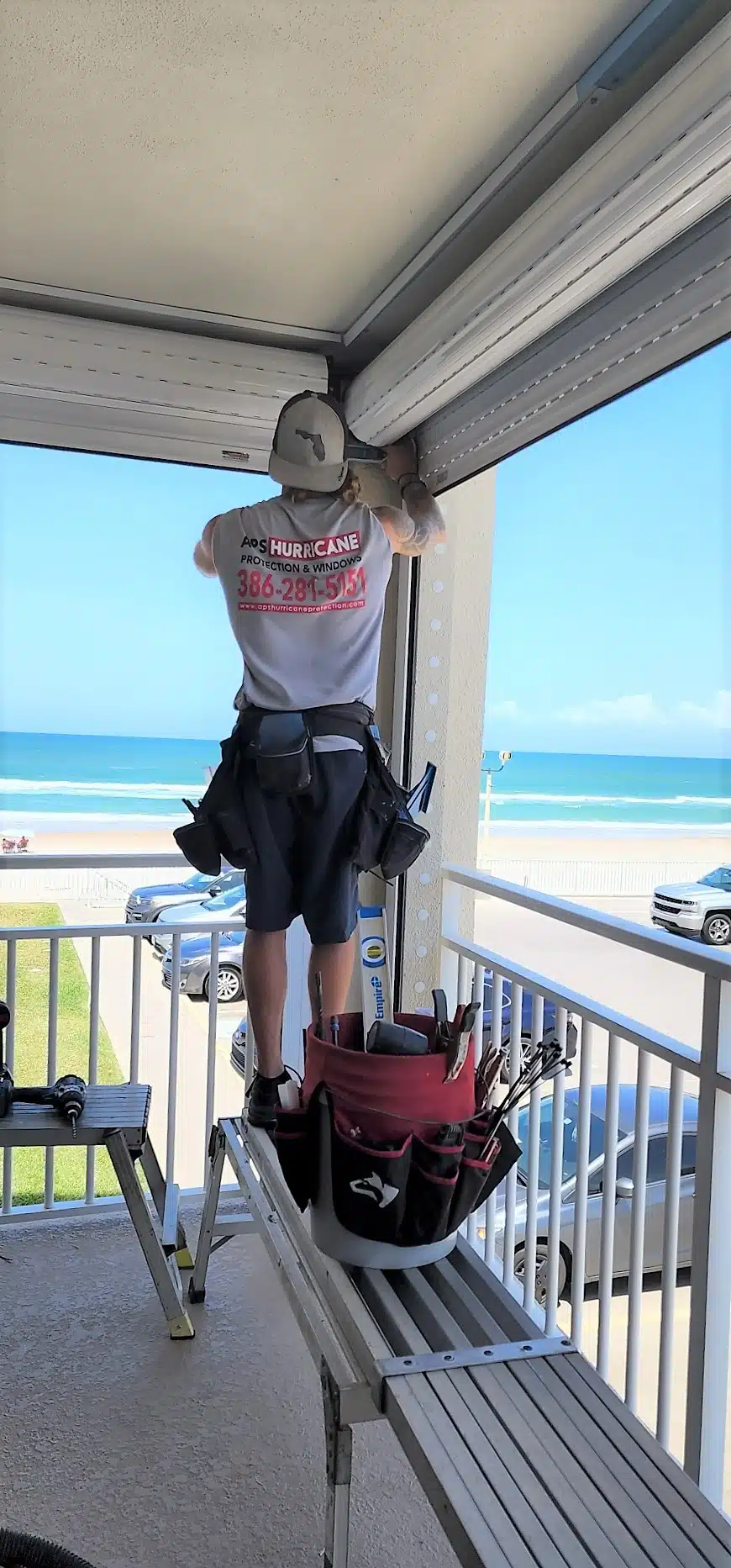
Roll-down systems are considered a premium option among the types of hurricane shutters. They operate vertically and can be manual or motorized.
At the push of a button, they deploy and secure the opening.
Pros:
Fastest and easiest deployment
Clean, sleek appearance when not in use
Can be motorized for convenience
Adds security and shade benefits
Increases perceived home value
Cons:
Higher installation cost
Electrical components may require servicing (for motorized models)
For homeowners prioritizing convenience and long-term investment value, roll-down shutters are often the top choice among modern types of hurricane shutters.
4. Bahama Hurricane Shutters
Bahama shutters serve both decorative and protective purposes. Hinged at the top, they prop open at an angle and can be lowered and secured during storms.
These are among the most visually appealing types of hurricane shutters.
Pros:
Adds architectural style
Provides daily shade and energy efficiency
Permanent installation
Easy storm deployment
Cons:
May not fit every home style
Slightly higher cost than panels
Limited coverage for certain door openings
Bahama shutters are popular in coastal communities where aesthetics matter just as much as protection.
5. Colonial Hurricane Shutters
Colonial shutters combine traditional architectural charm with reliable storm protection. Mounted on either side of a window, they swing closed and latch securely over the glass when a storm approaches.
Among the different types of hurricane shutters, colonial systems are especially popular with homeowners who want protection without sacrificing curb appeal.
Pros:
Classic, decorative appearance
Enhances curb appeal and home value
Permanently installed with easy deployment
Strong aluminum construction for impact resistance
No storage required
Cons:
Higher cost than panels and some accordion systems
May not be ideal for very large window openings
Must be manually secured before storms
Colonial shutters are an excellent option for homeowners who prioritize aesthetics while still wanting dependable storm protection. Like other types of hurricane shutters, they are engineered to meet impact and wind-load requirements, but they stand out for their timeless design.
For homes with traditional, Mediterranean, or coastal architecture, colonial shutters offer a balance of beauty and strength that few other types of hurricane shutters can match.
Comparing the Types of Hurricane Shutters
When evaluating the different types of hurricane shutters, consider these key factors:
Budget:
Panels are typically the most affordable, while roll-down systems are the most expensive.
Convenience:
Roll-down and accordion shutters offer faster deployment than panels.
Appearance:
Bahama and roll-down systems blend better with modern home designs.
Maintenance:
All systems require some upkeep, but permanently installed types of hurricane shutters generally require less effort than removable panels over time.
Which Option Is Best for Your Home?
The best choice among the various types of hurricane shutters depends on:
Your home’s architectural style
The number of windows and doors
Your hurricane risk level
How quickly you want to secure your home
Your long-term investment goals
Some homeowners prioritize affordability, while others value speed and simplicity. Understanding the pros and cons of each system allows you to choose protection that aligns with your needs.
Final Thoughts on the Types of Hurricane Shutters
With multiple types of hurricane shutters available, there is no one-size-fits-all solution. Accordion shutters offer practical protection, panels provide cost-effective coverage, roll-down systems deliver premium convenience, Bahama shutters combine beauty with strength, and colonial shutters add classic curb appeal while still offering dependable storm protection.
The key is choosing a system that protects your home, fits your budget, complements your home’s style, and gives you peace of mind when storms approach.
If you’re unsure which of the types of hurricane shutters is right for your home, a professional evaluation can help you make the most informed decision before hurricane season begins.
To help you better visualize the different types of hurricane shutters, explore our product gallery to see real installations and style options, including accordion, roll-down, Bahama, panel, and colonial systems.
There are many factors to consider when choosing the right system for your home — from budget and convenience to appearance and wind exposure. If it starts to feel overwhelming, don’t stress.
Reach out to our team anytime. We’re here to answer your questions, walk you through your options, and help you choose the best protection for your home with confidence.